
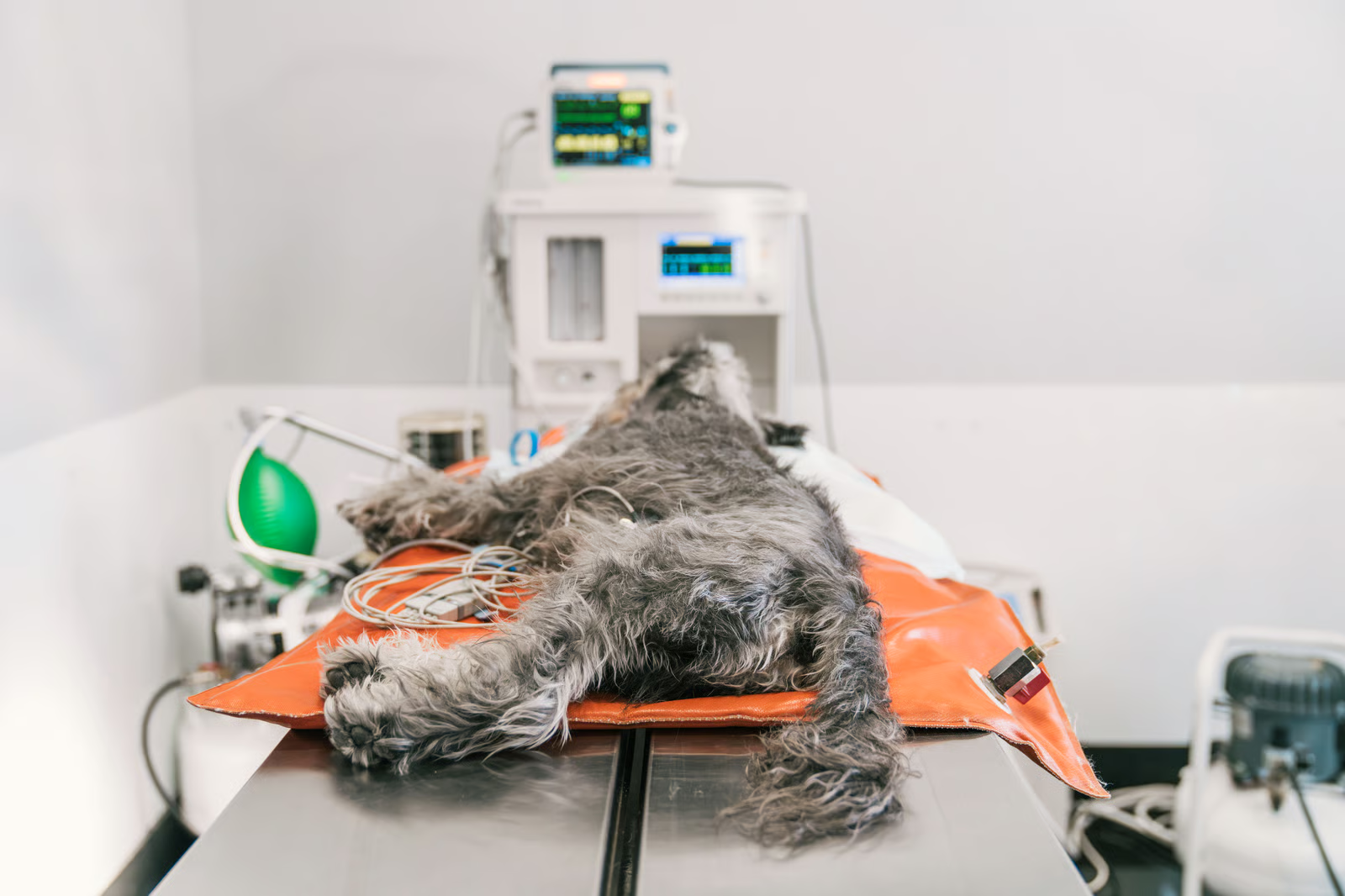
Radiology is a silent yet important part of contemporary veterinary care. When a pet cannot convey to you what it is experiencing, imaging tools can help a veterinarian to make a quick look inside the body, without surgery. Radiology can prove quite helpful here. It helps professionals detect problems in the initial stages, diagnose, and develop the necessary treatment with higher confidence.
Radiology in Pets
In animals, radiology is linked with imaging, in which the internal structures of animals are examined. It enables the veterinarians to see bones, organs and tissues in a form that cannot be seen during a physical examination radiology in pets might be a dog with a limp or a cat that is experiencing some form of illness; radiology provides a better explanation of what might be going on in the interior. No one-size fits all in this area. It encompasses a number of imaging methods, with each having its own purposes.
Importance of Radiology
Pets cannot give a report on their symptoms, and the majority of conditions are silent. Radiology has the potential to fill that gap and give visual confirmation of internal changes.
When a pet all of a sudden refuses to eat or even becomes less active, the reason may not be so obvious. Examples of issues that can be detected with imaging are internal injuries, infections, or growths. It allows the veterinarians to get past the guesswork and base decisions on what they can see.
Types of Radiology Used in Pets
Depending on the location that the veterinarian is interested in, there are different imaging methods. Each of the methods has its benefits and applications.
X-rays (Radiographs)
The most prevalent kind of radiology in pets is X-rays. They are useful especially in examining the bones and determining fractures, joint issues or objects that have been ingested. They are also able to give an approximate perspective of organs in the chest and abdomen.
Ultrasound
Ultrasound involves the utilization of sound in order to produce images of soft tissues. It is usually applied to analyze such organs as the liver, kidneys and heart. It also comes in handy when pregnant women are tracking the unborn. Unlike X-rays, ultrasound can show motion, e.g., blood circulation or organ motion.
Computed Tomography (CT Scans)
CT scans are elaborate cross-sectional body pictures. radiology in pets They are often referred to more complex cases, such as tumor detection or evaluation of head or head trauma or examination of areas that are not easily seen with standard X-rays.
How Does a Radiology Procedure Work?
Depending on the type of imaging that is being done, the procedure differs, but most of the procedures are aimed at being painless and stress-free to the pet.
During plain X-rays, pets may be forced to be still when they have their pictures taken. A mild form of sedation is applied in certain situations to guarantee the right results and limit stress. Ultrasound testing is not painful and often only requires the pet to lie down.
More advanced imaging ( CT or MRI) is often done with anesthesia. This holds the pet completely motionless, which is necessary to get clear and detailed images.
Veterinary staff observe all measures to provide safety in these procedures, such as keeping a close watch on the pet in the process.
Safety of Radiology for Pets
The safety of radiology is one of the concerns of pet owners. The upside is that the present-day imaging of veterinary is safety-conscious.
X-rays are done with low doses of radiation and exposure is minimized. There are also mechanisms set in place to ensure that there is a reduction in any unwarranted danger. No radiation is used in ultrasound and therefore, ultrasound is a very safe procedure to undertake in most circumstances.
The veterinarians will ensure the health of the pet is thoroughly checked before the administration in case of anesthesia and will closely monitor the patient during the administration. Though any medical procedure is not completely safe, the benefits of an appropriate diagnosis can so easily override the risks.
Conditions Diagnosed with Radiology
Radiology has the potential to detect a great variety of health problems in pets. They are some of the most widespread:
- Breaks bone and causes joint difficulties.
- Accidental internal injuries.
- Malignancy or tumors.
- Cardiovascular and pulmonary diseases.
- Digestive blockages
- Liver and kidney diseases.
- Neurological disorders
Radiology can frequently be significant in confirming a diagnosis and how severe a condition may be due to its ability to give detailed images.
Role of Veterinary Specialists
In the majority of cases, radiology images are considered by veterinarians specially trained in diagnostic imaging. These professionals read well even the slightest details that could provide a clue about a problem.
Their experience aids in making sure that nothing is missed and in making the diagnosis as precise as possible. Such collaboration between general and specialized veterinarians improves the quality of care.
Radiological Support of Treatment
Radiology is not only concerned with diagnosis, but it also helps in the treatment. Once a condition is identified, surgeries could be scheduled, follow-ups could be conducted, and the success of a treatment could be evaluated with the help of imaging.
As an example, follow-up X-rays can show whether the bone is mending appropriately, but an ultrasound can show how the changes in the health of the organs change over time. This continuity of imaging is used to make pets get the best care during their recuperation.
Conclusion
Radiology of pets is an excellent instrument that can enable veterinarians to look deeper than what meets the eye. It makes situations that are uncertain very clear and assists in identifying issues that could not have been noticed.
To the pet owners, the role of radiology can be comprehended, so that the experience becomes less frightening. southwest animal hospital It is not merely a technical procedure; it is a means of getting to know more about the health of your pet and giving him the care he deserves.
Frequently Asked Questions
What is radiology in pets?
Radiology in pets is the use of imaging techniques like X-rays, ultrasound, CT scans, and MRI to diagnose and monitor health conditions in animals without invasive surgery.
Why is radiology important for pets?
It helps veterinarians detect injuries, diseases, tumors, and internal problems early, allowing for accurate diagnosis and effective treatment planning.
What types of imaging are used in pet radiology?
Common types include X-rays (for bones and chest), ultrasound (for soft tissues and organs), CT scans (detailed cross-sectional images), and MRI (high-detail imaging of soft tissues like the brain and spine).
Is radiology safe for pets?
Yes, most radiology procedures are safe. X-rays use very low radiation levels, and precautions are taken to minimize exposure. Ultrasound and MRI do not use radiation at all.
Do pets need anesthesia for imaging?
For simple X-rays and ultrasounds, anesthesia is usually not required. However, CT scans and MRIs may require sedation or anesthesia to keep the pet still for clear images.
How should I prepare my pet for a radiology exam?
Preparation depends on the test. Your veterinarian may ask you to withhold food, ensure your pet is calm, or provide medical history before the procedure.
