
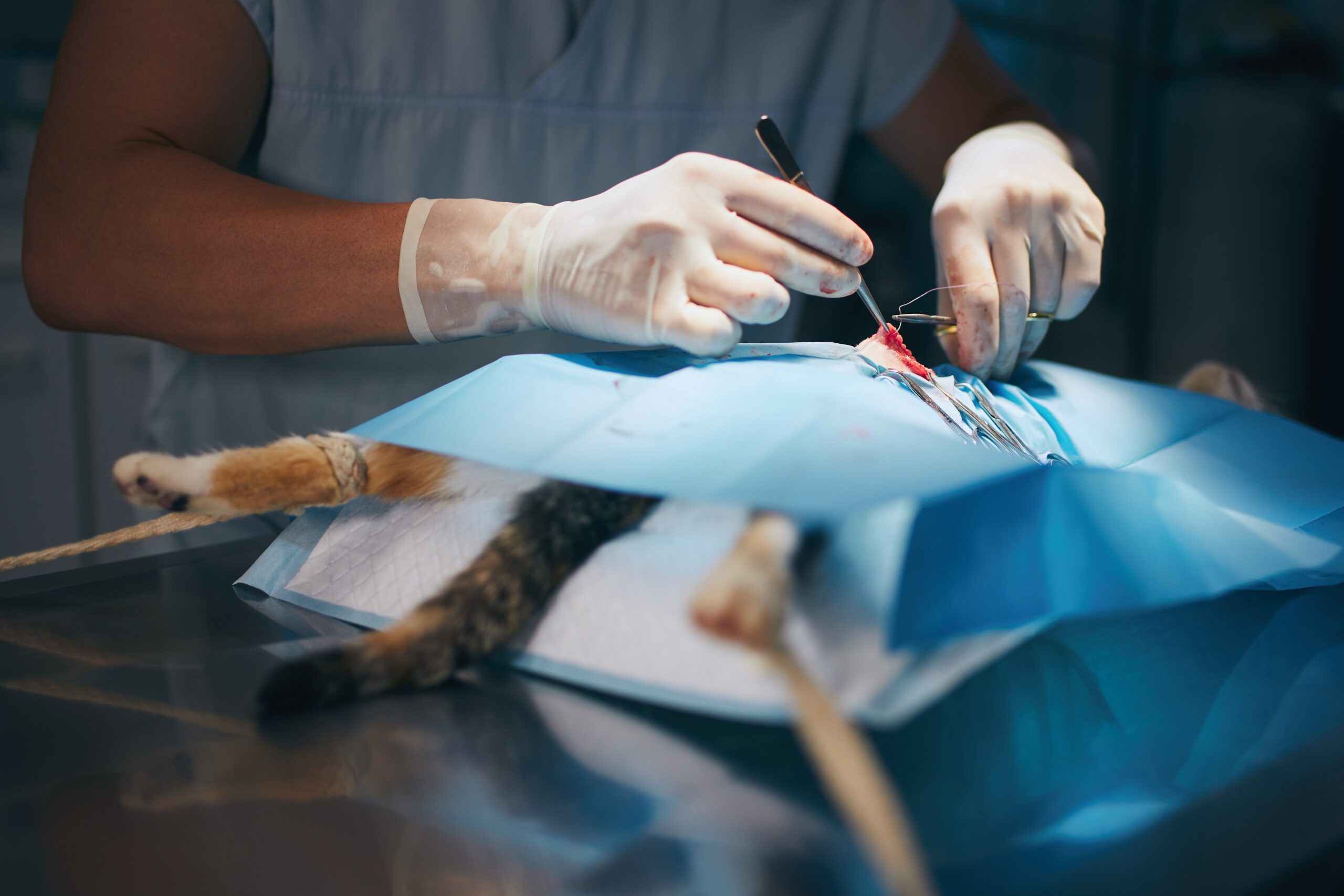
Surgical work with pets is an essential component of the contemporary veterinary practice. Although most people consider it a field of emergency, surgery in animals is much broader than the scope of treatment, encompassing routine to complex and life-saving surgery. Knowing about pet surgery will help you feel more prepared, confident and informed in case your pet requires it.
What Is Pet Surgery?
Pet surgery is any type of medical operation done on an animal that requires an incision or special procedures to address a medical condition. These are done by a licensed veterinarian and, in more complicated cases, by a veterinary surgeon who has undergone further training.
Surgery can be prescribed to either diagnose a complication, mend an injury, excise a growth or to enhance the overall quality of life of your pet. Similar to human medicine, veterinary surgery has developed over the years and is now much safer as well as easier to heal pets.
Why Would a Pet Need Surgery?
A pet may need surgery due to a variety of reasons. There are those that are planned and preventive and others that are unexpected and urgent.
Routine care is one of the most widespread causes, e.g., spaying or neutering. These are processes that contain the population of pets and can also be used to diminish the chances of some health complications in the future.
In other instances, operation is a requirement due to illness or injury. Pets can develop tumors or infections, or internal issues that cannot be cured solely through medication. Surgical repair could also be necessary to repair accidents like a fracture or wound.
Types of Pet Surgery
Preventive surgeries are the most common. Spaying and neutering are included in this category and are generally done when pets are young and healthy.
Skin or muscles are involved in soft tissue surgery. These can involve the removal of tumors, wound repair, or abdominal surgery, including bladder or intestinal surgery.
Surgeries of the orthopedics specialize in joints and bones. They are commonly required following traumas such as fractures or in cases such as a tear in the ligaments.
In case the life of a pet is in immediate danger, then emergency surgeries are carried out. These cases can be internal bleeding, obstructed intestines or accidental trauma.
What Happens Before Surgery?
Your veterinarian will perform a proper examination of your pet before any surgery is performed. The tests serve to make sure that your pet is fit to undergo anesthesia and surgery. They also enable the veterinarian to strategize the procedure and establish any risks.
You will also be given guidelines on how to prepare your pet. Pets, in the majority of cases, must be starved for several hours prior to surgery to minimize the chances of complications during anesthesia.
Anesthesia and Safety
Anesthesia is one of the greatest anxieties of pet owners. It is only natural to feel anxious about this, but with modern veterinary medicine, anesthesia is far safer than it was.
When the surgery is performed, your pet is put under general anesthesia, meaning that it is completely asleep and is not in pain. Vital signs monitored by the veterinary team during the procedure include heart rate, breathing and oxygen levels.
The kind and quantity of anesthesia administered is based on the age, size and health status of your pet. This customized system reduces the risks and makes the process more comfortable.
What Happens During Surgery?
When your pet is safely under anesthesia, the surgery team starts its work. The space is washed, cleaned and made to be in a sterile environment, which minimizes chances of infection.
The necessary steps are then taken by the veterinarian to treat the condition. This can be in the form of tissue removal, structure repair or the use of sutures, depending on the kind of surgery.
Other processes are comparatively fast, whereas some can take a number of hours. No matter how long it takes, it is all about accuracy, safety and reduction of discomfort.
Recovery After Surgery
Once this process has been done, your pet is taken to a recovery area where they are closely observed as they come out of anesthesia.
It is not strange when pets are somewhat groggy or disoriented. The recovery of most animals within an anesthetic period is a few hours, with some taking longer to recover, depending on the procedure.
Your veterinarian will give you comprehensive instructions on aftercare. These can involve administering drugs, restricting mobility, and observing the surgical site for any infection.
It is essential to keep your pet relaxed and at ease when recovering. There are even pets that should be put on an e-collar (cone) to avoid licking or biting the incision.
How Long Does Recovery Take?
The recovery time depends on the surgery performed and the health of your pet.
Pets can recuperate in a week or two in case of minor procedures like spaying or the repair of small wounds. More complicated surgeries, such as orthopedic surgery, might take a number of weeks or even months to heal.
Follow-up visits are normally scheduled regularly in order to find out that everything is proceeding well. During these visits, your veterinarian can also remove stitches or change the treatment program.
Risks and Complications
Just like any other medical surgery, there are some risks associated with pet surgery. But severe complications are quite uncommon, particularly when an expert veterinarian is the one who performs the surgery.
The risks are possible infection, bleeding and anesthetic reactions. These risks can be greatly minimized by following your veterinarian’s instructions.
When you see anything suspicious, like too much swelling or discharge, loss of appetite, or soreness that will not go away, then you should seek the advice of your veterinarian.
Conclusion
Pet surgery can be considered an essential part of modern veterinary medicine practice. This procedure is used in case of any illness, injury, or problems related to the reproductive functions of animals. South West Animal Hospital Although this topic might seem rather scary, having a clear idea about it can relieve stress and tension.
Most often, with appropriate treatment methods and adequate aftercare, pets get healthy and back into their usual state very quickly.
