
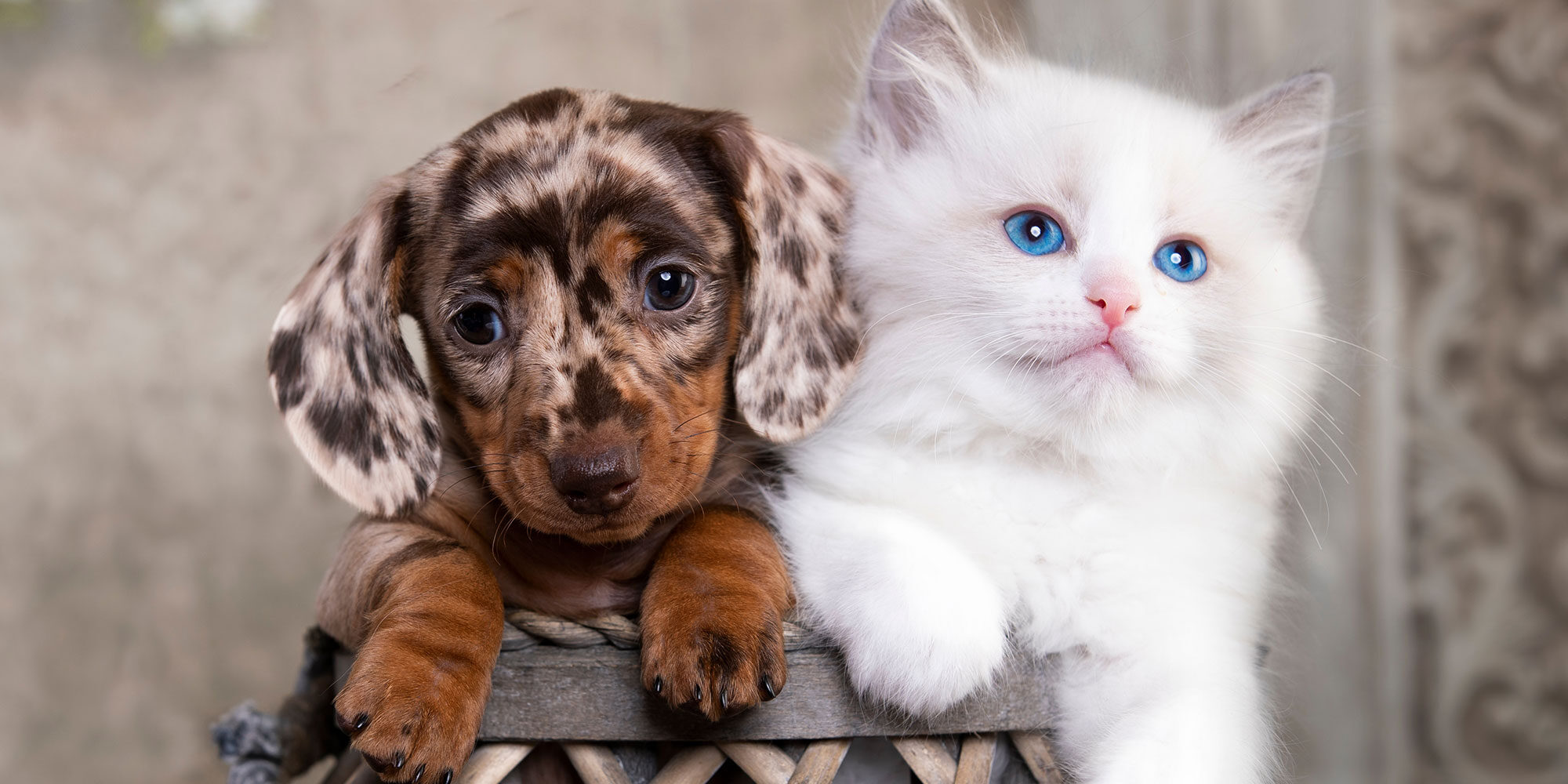
The process of bringing a new puppy or kitten home is exciting. These little friends soon join the family, but they too rely totally on you to guarantee their well-being, safety and growth. Puppy and kitten care is the necessary steps you take to ensure you raise young pets appropriately- feeding, grooming and hygiene, training, socialization and medical care.
Early care is significant in the formation of the future of your pet. The routines you establish, the food you feed them with and the surroundings you offer to them in these initial months may influence their behavior, health and even their lifespan. Learning what your new pet requires will assist you in providing the best possible start to your new pet.
The First Few Days at Home
The initial days at home with a Puppy and Kitten Care or kitten may be overwhelming to both of you. They know nothing; the smells, the sounds, the people surrounding them are all new. They should be slowly prepared by creating a peaceful and secure atmosphere.
Create a relaxing environment in which your pet can sleep without interference. This may be a warm bed, a box, or a warm blanket in some corner of your house. Keep food and water close and at first, do not handle too much.
Monotony comes in particularly handy at this stage. The times of feeding, playtime, and sleep should be regular. This will make your pet feel safe and eliminate stress.
Nutrition and Feeding
One of the most crucial aspects of taking care of a young pet is proper nutrition. The puppies and kittens develop very fast, and therefore, they require food that will help them develop.
Select nutritious food that is designed specifically to feed a puppy or kitten. These diets have the proper proportions of protein, fats, vitamins, and minerals that help in growth. Premature feeding of adult pets may also cause nutrient deficiencies.
Vaccinations and Veterinary Treatments
The first few months of the life of your pet are crucial in making sure you take him to the veterinarian regularly. These injections are used to make sure that your puppy or kitten is in good health and developing.
Preventive care includes vaccinations. They save your pet from serious diseases that might be deadly. Depending on the age and health condition of your pet, your veterinarian will develop a vaccination schedule.
Besides vaccination, your pet might require deworming, and flea or tick treatment. The steps assist in guarding them against parasites that may have an influence on their general health.
Training and Behavior
The training must also start at an early age, even in the case of your pet, which is very young. Puppies and kittens are easy to train and this is the right moment to instill simple rules and habits.
In the case of puppies, the most important thing would be house training. This is by teaching them where and when to go to the bathroom. The most important ones are consistency, patience and positive reinforcement. Praise or small treats for good behavior.
It is easier to teach kittens how to use the litter box, as it comes naturally for them to do that. Make sure the litter box is cleaned, and it is placed in a place where there is not much disturbance, like noise.
The puppy can be trained in simple actions, such as sit, stay, or come. It is important in developing communication between you and your dog.
Avoid punishment in training. Focus on rewarding good behavior, as it will build up trust with your pet and make him/her feel comfortable.
Grooming and Hygiene
Another important part of taking care of your pet is keeping him or her clean and well-groomed. The grooming requirements will depend on the breed and type of coat, but general hygiene remains the same in all pets.
Brushing regularly gets rid of loose fur and prevents tangles. It maintains the coat healthy and shiny as well. Occasional bathing with pet-safe products should be done. Being over-bathed may dry out their skin, so it is best to take the advice of your veterinarian.
The nails also need to be trimmed to avoid pain or harm. When the nails are too long, they may interfere with the way your pet walks.
Do not neglect dental care. Early introduction to brushing teeth can also help avoid dental issues in the future.
Exercise and Play
Puppies and kittens are active, and they require frequent play so that they can be healthy and happy. Exercise promotes physical growth and averts behavioral problems.
In the case of puppies, short walks and playtime are the best. Do not overwork, particularly with very young or small breeds. Kittens like interactive toys, climbing games, and chasing games, which involve their instincts in nature.
Another great time to spend with your pet is at playtime. It instills confidence and enhances your relationship.
Providing a Secure Environment
Pets are young and are inherently curious, and therefore, they can get into trouble very easily. Being a responsible caregiver includes making your home safe.
Store dangerous objects away like cleaning products, small objects and electric cords. There are some foods, plants and household items that are poisonous to pets and therefore one ought not to overlook these dangers.
Give them the relevant toys to keep them busy and to avoid chewing on something that will harm them.
Conclusion
Raising your puppies and kittens takes commitment, experience and patience. Whether it is feeding, health, training, and/or socialization, you know everything comes at one time or another when raising your pet.
This is especially so in their first few months of life, as all this is what forms the foundation of their future being. And as you ensure that the South West Animal Hospital are well taken care of, you will also establish a lifelong bond with the animals.
What you put in and all your hard work will be rewarded in the long run when you will have an animal that you can love and be proud of.
